The Hindu New Year marks the beginning of a new calendar cycle in many Hindu traditions across India. Unlike the Gregorian New Year on January 1, the Hindu New Year is based on lunisolar calendars and is celebrated on different dates depending on regional traditions. However, one of the most widely recognized Hindu New Year celebrations falls on Chaitra Shukla Pratipada, the first day of the bright lunar phase in the month of Chaitra (March–April).
Different Names Across India
The Hindu New Year is celebrated under various names in different regions:
- Vikram Samvat New Year (North India)
- Gudi Padwa (Maharashtra)
- Ugadi (Andhra Pradesh, Telangana, Karnataka)
- Navreh (Kashmir)
- Cheti Chand (Sindhi community)
Despite the different names, the essence remains the same—welcoming a new beginning with positivity and spiritual renewal.

Historical and Mythological Significance
According to Hindu tradition:
- It is believed that Lord Brahma, the creator of the universe, began creation on this day.
- The day is also associated with the start of the Vikram Samvat, an ancient Hindu calendar traditionally linked to King Vikramaditya.
- The festival coincides with the arrival of spring, symbolizing growth, prosperity, and renewal.
Chaitra Navratri: Significance, Dates, and Traditions
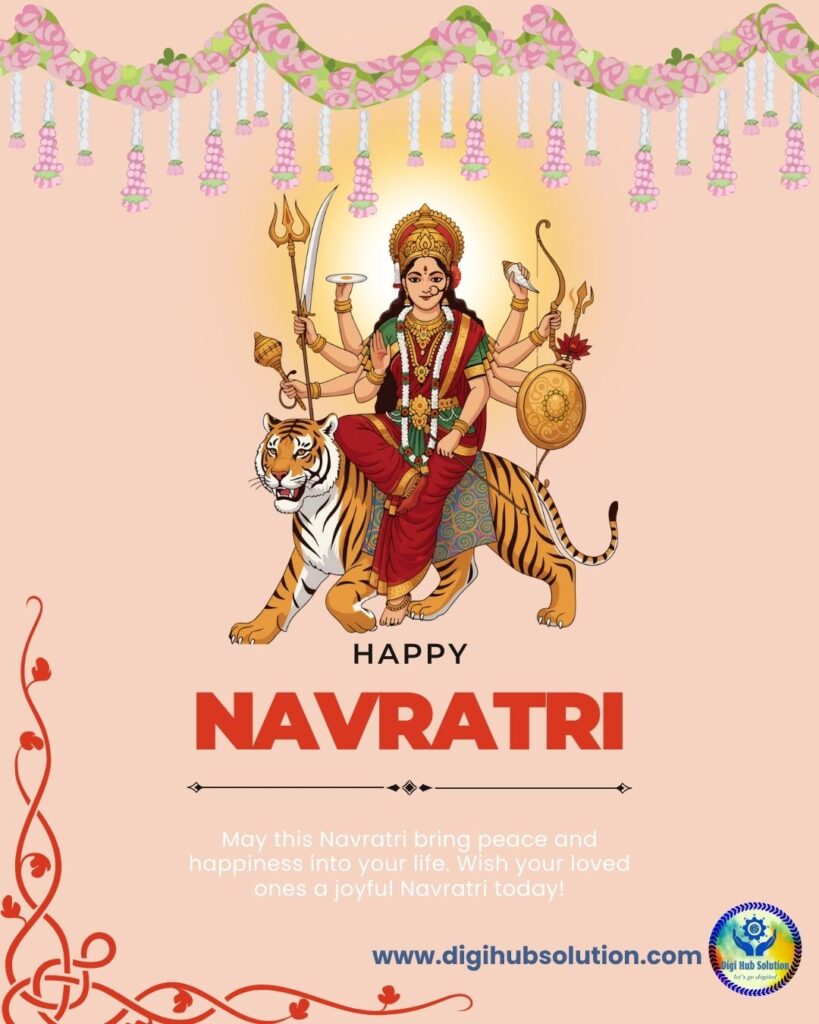
Chaitra Navratri is one of the most important Hindu festivals, celebrated over nine days in the Hindu month of Chaitra (March–April). It marks the beginning of the Hindu New Year in many regions of India and is dedicated to the worship of Goddess Durga and her nine divine forms, known as Navdurga.
When is Chaitra Navratri Celebrated?
Chaitra Navratri begins on Chaitra Shukla Pratipada, the first day of the bright lunar fortnight, and continues for nine days, ending with Ram Navami, the birth anniversary of Lord Rama.
Religious Significance
Chaitra Navratri holds deep spiritual importance:
- It is believed that Goddess Durga descends to Earth to bless her devotees.
- The nine days symbolize the victory of good over evil.
- The festival also marks the beginning of spiritual renewal and self-discipline.
This period is considered highly auspicious for starting new ventures, performing rituals, and seeking divine blessings.
The Nine Forms of Goddess Durga (Navdurga)
Each day of Navratri is dedicated to a different form of the Goddess:
- Shailputri
- Brahmacharini
- Chandraghanta
- Kushmanda
- Skandamata
- Katyayani
- Kalaratri
- Mahagauri
- Siddhidatri
Devotees worship each form with specific rituals and prayers.